Documents of Belonging
Documents of Belonging began with a fascination I have had since childhood. Traveling with my parents, I would watch people waiting at immigration counters holding small booklets in different colors. I knew what mine looked like, but I often wondered what was inside theirs.
Years later, I began collecting expired and cancelled passports and other travel documents. I was initially drawn to them as objects: their paper, typography, security patterns, illustrations, colors, and the extraordinary amount of attention governments devote to designing something small enough to fit in a pocket. Each country seems to compress an image of itself into a few dozen pages. In that sense, a passport can resemble a miniature state-produced self-portrait, but to me it can also be an artwork in its own right.
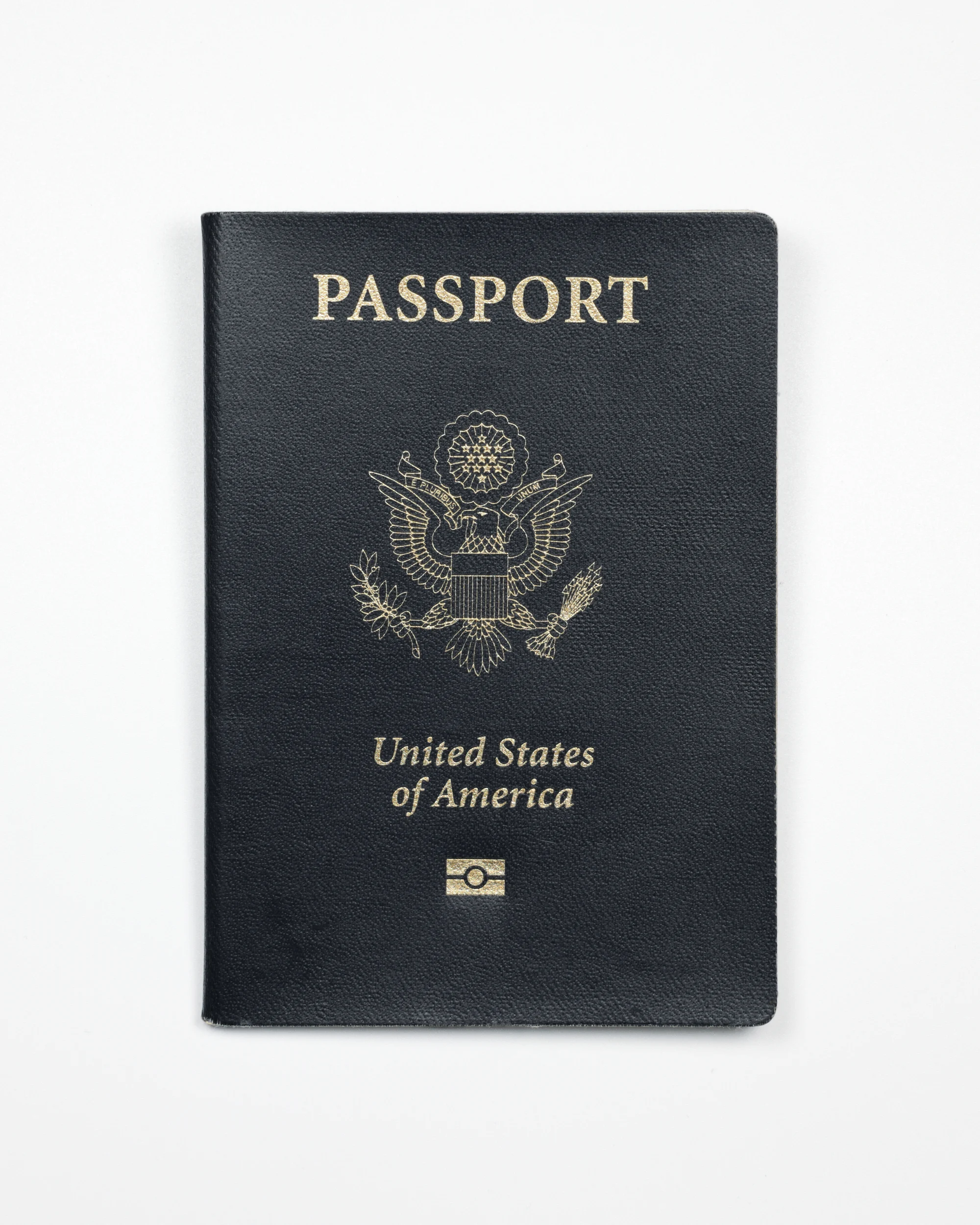
I photograph these documents rather than simply scanning them because I want to preserve their presence as physical objects—their surfaces, wear, thickness, reflections, and the evidence that they have been handled and carried. The used passports also contain fragments of lives. Visas, stamps, dates, and routes allow me to imagine the person who once owned them: where they traveled, what kind of work they might have done, and what circumstances carried them from one border to another.
But a passport is never only an object or an archive. It is also a document of recognition. It identifies a person as belonging, legally and politically, to a particular state, while determining in part how freely that person can move through the world. Some passports open far more borders than others. Even without consciously comparing their power, it is difficult to look at them without becoming aware of the different possibilities attached to each one.
The title Documents of Belonging comes from that tension. Passports can be inherited at birth, acquired later, pursued deliberately, surrendered, renewed, or replaced. They are proof of membership, but also records of movement and change. In photographing them, I am interested in the point where national design, personal history, mobility, and the idea of belonging become compressed into the same small object.